Selecting a trustworthy online casino takes clear thinking, because the conditions make the difference well beyond bold slogans. To get a practical comparison, many readers frequently look at international casinos, provided they study the details closely. A valid licence is the essential thing to check, because it shows that the operator follows firm requirements. Bonuses draw attention, yet their real value depends on the wagering terms, which deserve a careful review. Banking methods should be flexible, and the withdrawal speed is often one of the most telling signs of a honest site. The game library is generally broad, from classic slots to roulette, giving users plenty of options. A live casino attracts players with real dealers, and the stream quality shape the overall session. Helpful support sets the difference when questions arise, especially if quick replies are easy to reach. Withdrawals show the true character of a casino, so clear limits and quick processing earn loyalty. Responsible play has to stay central, so deposit limits and clear budgets truly safeguard the account holder. A valid licence is the key thing to check, because it signals that the platform meets firm rules. Bonuses catch the eye, yet their real value hinges on the playthrough conditions, which repay a careful read. Deposit choices should be secure, and the withdrawal speed is frequently one of the clearest indicators of a honest casino. The game library is usually broad, from jackpot games to baccarat, bringing users genuine variety. A live casino draws in players with an authentic table, and the betting limits drive the overall experience. Helpful support marks the difference once problems show up, above all if quick replies are available. Withdrawals expose the true character within a casino, so reasonable checks and steady speed earn trust. Responsible play must remain central, so self-exclusion and calm habits always safeguard the player. A valid licence is the first thing to verify, because it signals that the platform respects strict standards. Bonuses look tempting, yet their true worth hinges on the playthrough conditions, which reward a close look. Payment options should be convenient, and the payout time is frequently one of the clearest marks of a fair brand. All in all, a thoughtful selection rests on clear terms, so take your time, check the rules and set clear limits.

Transport maritime : l’utilisation de carburants renouvelables sous contrôle

transport-maritime-:-l’utilisation-de-carburants-renouvelables-sous-controle

Transport maritime : l’utilisation de carburants renouvelables sous contrôle

Transport maritime : l’utilisation de carburants renouvelables sous contrôle 600 400 admin

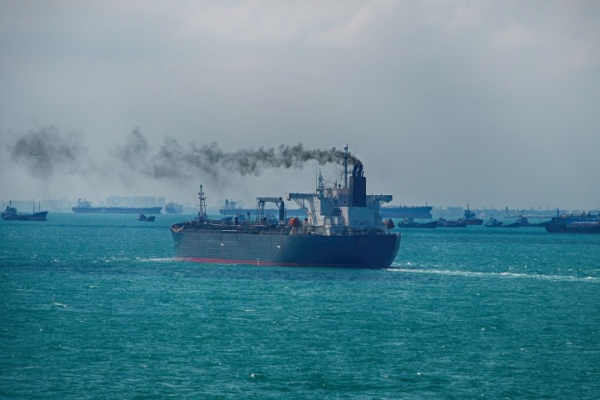
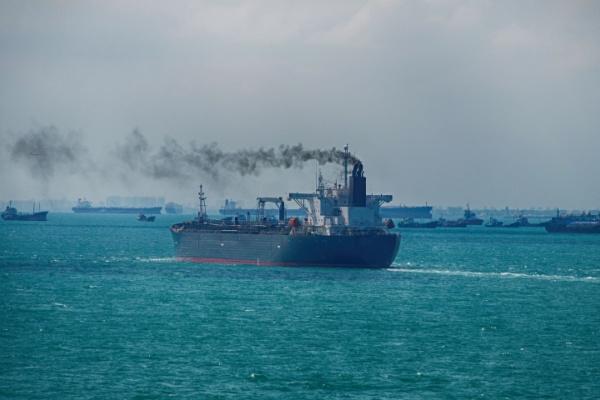
Afin de réduire les impacts écologiques de la navigation commerciale, le Règlement européen FuelEU Maritime impose à certains navires l’utilisation de carburants renouvelables et bas carbone. Des précisions sont apportées concernant le contrôle de ces obligations au niveau national…

Pollution maritime : une nouvelle mission pour le ministère chargé de la mer

Le Règlement européen du 13 septembre 2023 relatif à l’utilisation de carburants renouvelables et bas carbone dans le transport maritime, également appelé Règlement FuelEU Maritime, impose à plusieurs navires l’utilisation de carburants moins impactants pour l’environnement.

Ainsi, il est prévu une obligation croissante de réduction des émissions des navires entre 2025 et 2050 dans l’objectif final d’atteindre une baisse de 80% par rapport aux émissions moyennes constatées en 2020.

Pour l’heure, sont concernés les navires de transport de personnes et de marchandises à des fins commerciales ayant un tonnage supérieur à 5 000 UMS (Universal Measurement System).

En 2027, une possible extension de ces obligations aux navires de moins de 5 000 UMS sera étudiée.

Sont en revanche exclus de ce dispositif les navires de pêche, les navires de plaisance, les navires de service public, les navires militaires, et intégralement non propulsés par des moyens mécaniques.

Le ministère chargé de la mer est désigné comme étant l’autorité compétente pour le contrôle des dispositions de ce règlement en France.

À ce titre, il aura la possibilité d’infliger des sanctions financières ou de prononcer des mesures d’immobilisation de navires, voire d’expulsion ou de refus d’accès à certains ports.

Le ministère sera également compétent pour fixer les routes maritimes qui pourront faire l’objet d’exemptions au regard des obligations du Règlement FuelEU Maritime.

Transport maritime : l’utilisation de carburants renouvelables sous contrôle – © Copyright WebLex